



















Miss Luwam Araya
Head of School
AMI trained, twenty years in Montessori classrooms, still teaches one morning a week.
 Contact
A school of 210 children, ages three to eleven, on two acres.

Believe. Inspire. Innovate.
Our mission
Eco-Bloom was founded in 2024 by Luwam Araya, after a search for a school that could say what her own daughter had been curious about that week.
I did not set out to open a school. I set out to find one. My eldest was four, and had already worked out that the safest thing to do in a classroom is nothing at all. Every school we visited was proud of something: the results, the uniform, the new building. Not one could tell me what she had been curious about that week.
So we began with fourteen children in two borrowed rooms, on a conviction that has not changed: curiosity is not the reward for finishing the work. It is the reason a child starts.
People are surprised that we teach Cambridge. They expect a Montessori school to be against examinations. We are only against a child sitting one they were never allowed to prepare for in their own way.
I hope to meet you soon.
Our vision
Nurture each child's innate potential as an international citizen who values their culture, producing happy, productive global citizens who love learning and are healthy stewards of sustainable living.
What we are for
Our values
Eight values shape how children learn, work together and care for the world around them.
In practice
In practice, this shows up in several ways:
Daycare, Kindergarten and Primary.
Special needs support, including speech therapy, with more therapy services planned.
African heritage and identity topics are woven into school life.
A farm, STEAM wing, sports space and parent room are part of the campus vision.
Services are open to walk-in (non-enrolled) families through the Eco-Bloom Foundation.
How we teach
Cambridge sets the destination for each stage. The classroom sets the route, the pace and the day. Checkpoints at the end of Primary are marked externally, and the qualification is recognised by ten thousand schools in a hundred and sixty countries.
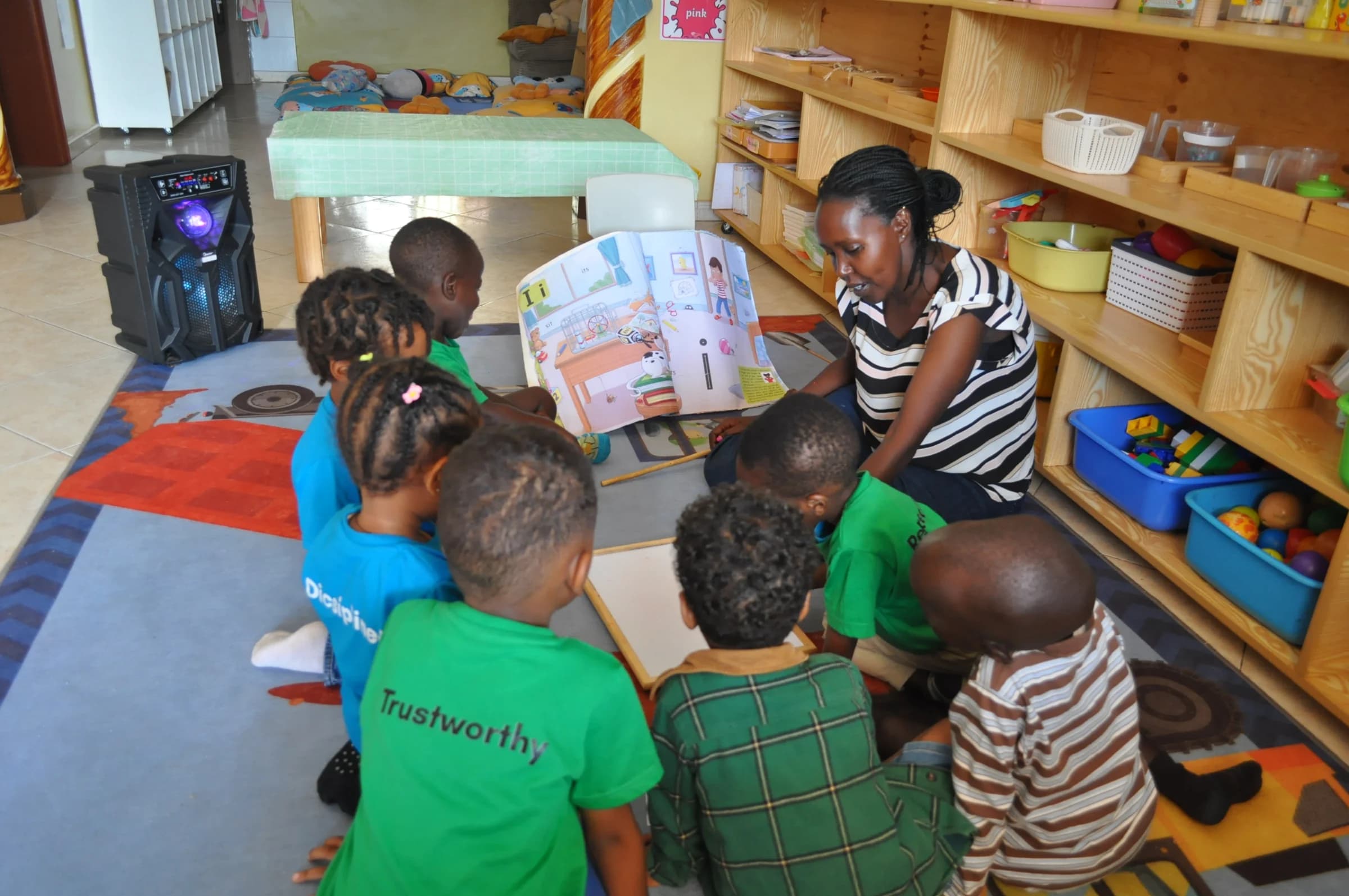
Communication, early number and understanding the world. Nothing timed, nothing tested.
The bridging year. Ends with graduation into Primary 1.
English, mathematics, science, global perspectives and digital literacy.
The same subjects, deeper, alongside long research projects and going out.
The final year, ending with the Cambridge Primary Checkpoint and a report that travels.
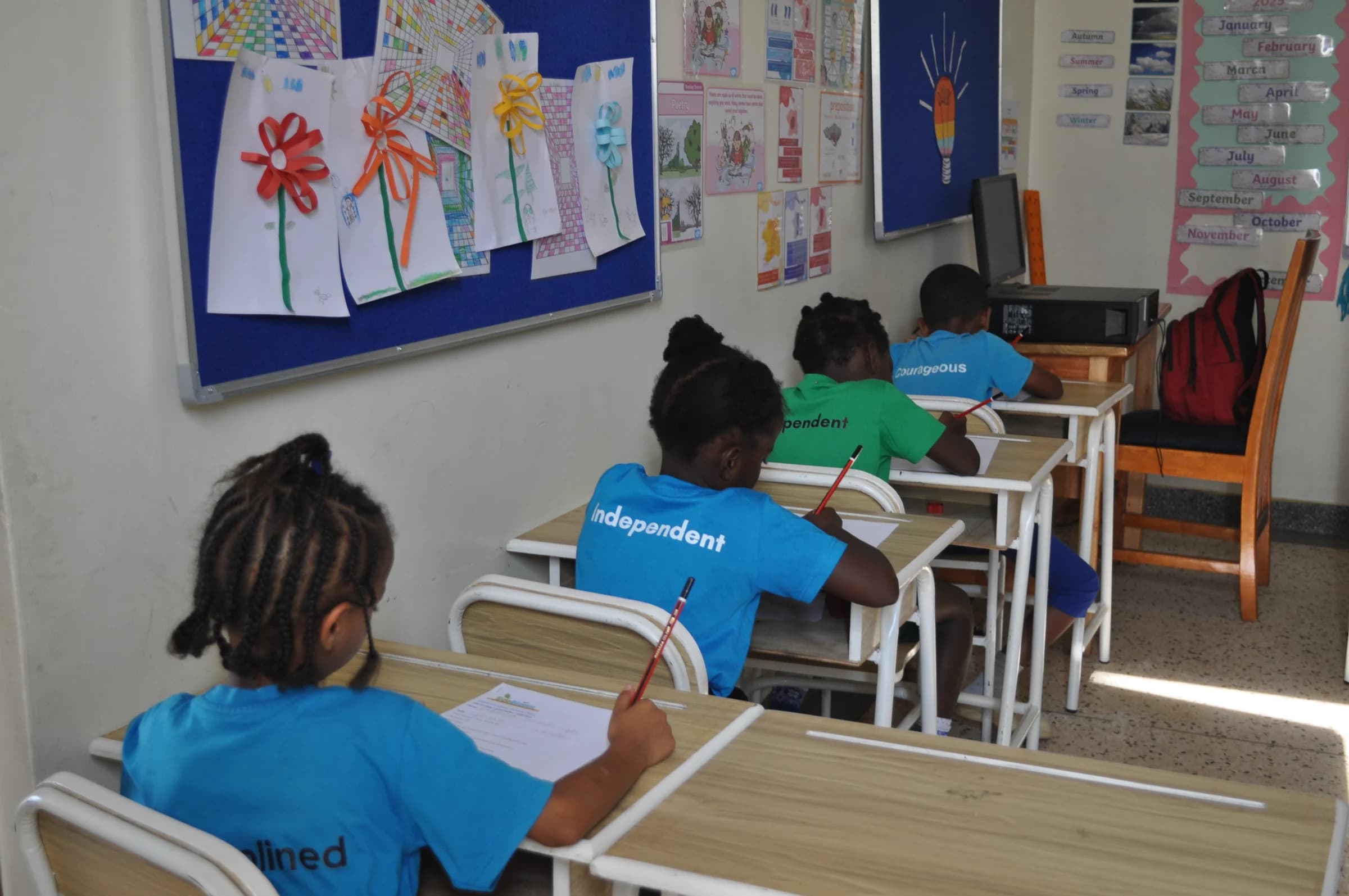
Cambridge mathematics, Primary 3.
Beyond the work cycle
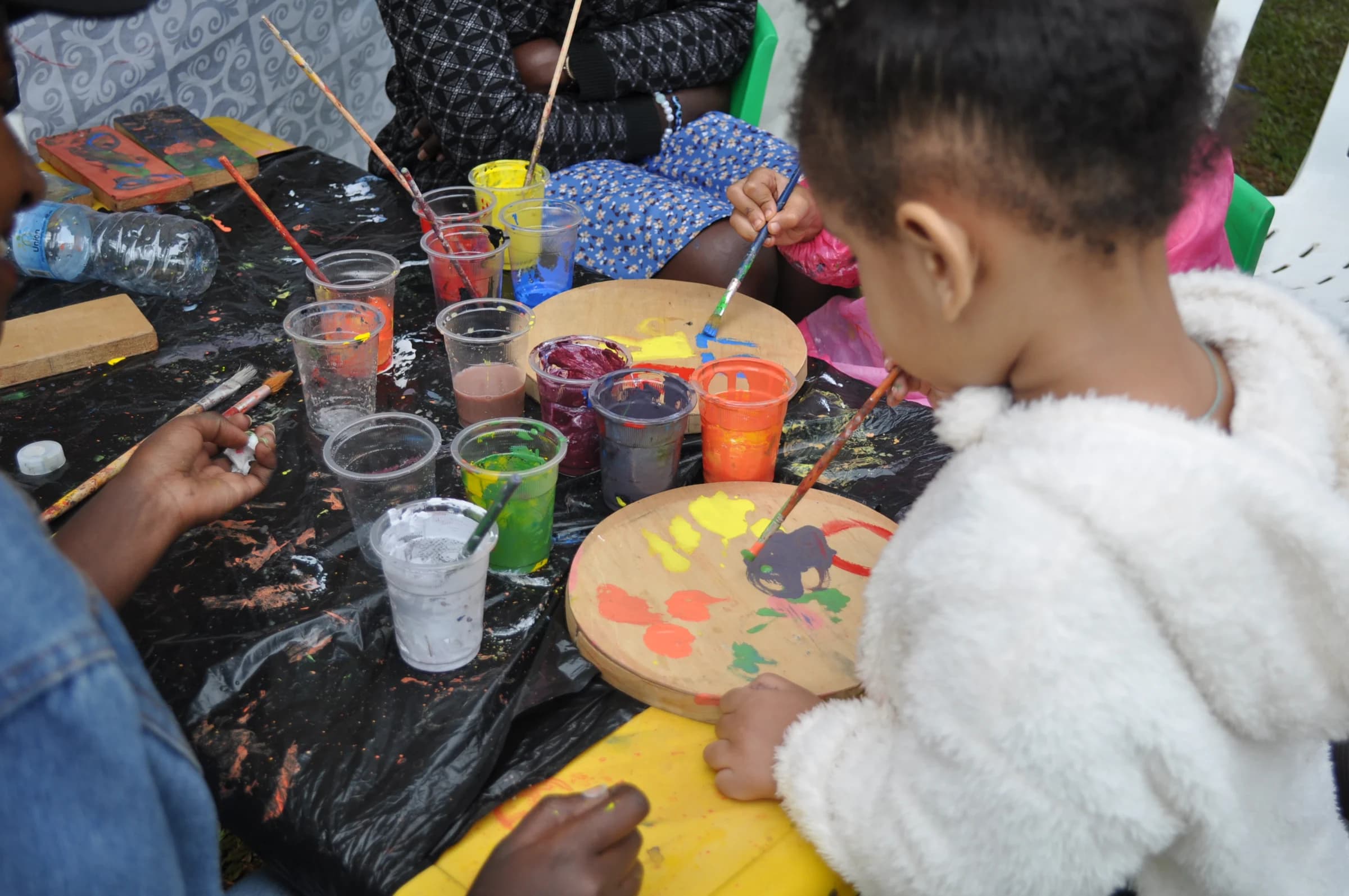
All three run inside the school day during term, so nothing is missed and no separate pick-up is needed. In the holidays they run longer, and are open to children from outside the school. Days and age bands.

Foundation 2 upwards. Instruments provided.
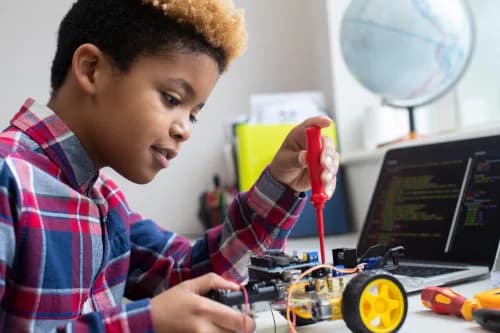
Primary 1 upwards. Building and programming.
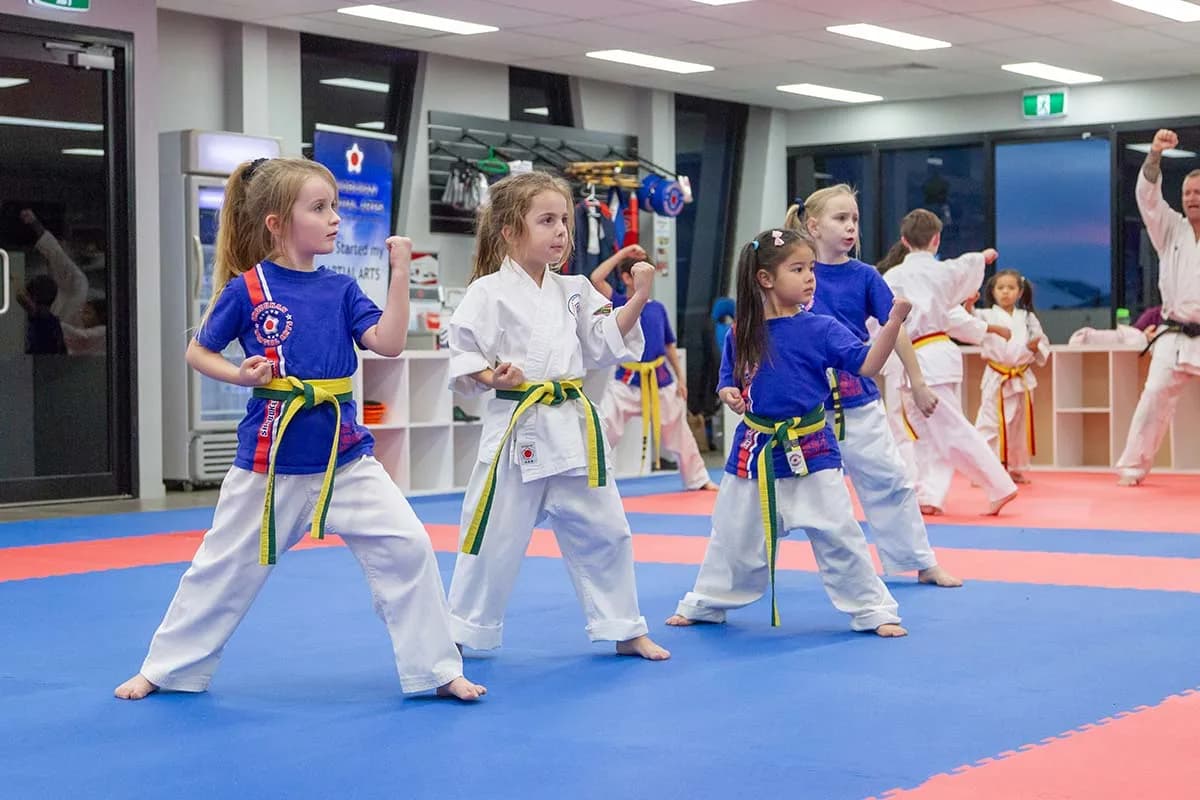
Reception upwards. Graded, with belts.
Care and safety
A small school's real advantage is not its ratio. It is that the adult beside your child in October is the same one who was there in September, and will be there next year.
A guide who has observed your child daily for three years, which is long enough to notice a change of mood before it becomes a problem.
A designated lead, a deputy, and annual training for every adult on site, including kitchen and grounds staff.
New children start gradually, with a parent nearby for as long as it takes. There is no fixed number of days.
Our community
Families and guests at Eco-Bloom’s Celebration of Learning.

Celebration of Learning
Testimonial1 of5: Family 1
Who runs the school
A small school, so the person who answers your email is usually the person who can decide the answer.
Head of School
AMI trained, twenty years in Montessori classrooms, still teaches one morning a week.
Cambridge Coordinator
Prepares the Checkpoint entries. Ask her how your child is tracking.
Head of Primary
Leads the Primary 1 to 5 teachers and runs the going-out programme.
Head of Early Years
Oversees Foundation 1 to Reception and the settling-in of every new child.
Designated Safeguarding Lead
First point of contact for any family whose circumstances have changed.
Head of Outdoor Learning
Runs the garden, the forest and every holiday club that involves getting wet.
Accredited by and working with
Tours are Tuesday and Thursday, 9am, while the children are working.